Hi, I am Ben and welcome to Cleats & Class. This blog is about sharing a little of my college athlete life and talking about what I’ve learned this semester. I am a central Florida native, and growing up there helped shape who I am today. I am the youngest of 3 active boys who loved to play every sport growing up. I like to spend time outdoors, staying active, or participating in athletics. It requires discipline and consistency, which was instilled in me early on. Now I’m getting ready to play football this fall at the University of Maryland and I’m excited for this next chapter in my life. I am enjoying everything student-athlete life has to offer.
After the football season and school year, I bass fish whenever I can. Fishing is one of my favorite ways to relax and reset because life can be busy and stressful. Just being out on the waters in the Florida sun helps clear my head. Being active is just part of who I am, and I enjoy finding ways to challenge myself physically and mentally.
Balancing sports and classes isn’t easy. It’s something I try to manage every day. Student-athletes wake up early for workouts, go through long practices, and still have to stay focused in class even when being exhausted is very hard some days. Even with all of that, I wouldn’t trade it. Football has taught me teamwork, responsibility and how to stay strong. At the same time, college is helping me mature as a person and prepare for life after sports. I started this blog to look back on these experiences and see where I end up along the way.
Media plays a role in my life whether I notice it or not. Music is something I always have on, especially while working out or studying. For entertainment, I watch sports highlights reels and shows, with Stranger Things being one of my favorites. When I’m not busy, I enjoy playing Xbox with friends, which is a fun way to relax and stay connected. Social media also helps me keep in touch with teammates, family, and friends, especially now that I’m living away from home.
Through this class, I want to better understand how media affects how people think, feel, and act. I’m interested in learning how media influences identity and confidence, especially for young athletes. I also want to know who decides what content goes viral and how sports media impacts how athletes are viewed. Most importantly, I want to become more aware of what I consume every day instead of just scrolling without thinking. This is something I already notice in my own life, and I’m looking forward to learning more through class discussions and assignments.
This blog represents the balance I’m working toward between sports, academics, and personal growth. I want this blog to be honest and real. As the semester continues, I hope to connect what I learn in class with my experiences as a student-athlete and continue growing along the way.
What I look forward to learning this semester:
Prior to this class I have never taken a journalism course, so I am excited to see whether it could become a potential career path for me. I look forward to learning about the core principles of journalism. Some questions I have going into this class: How do journalists find and verify sources for stories? How does journalism change across different platform like social media, tv, print, etc.? How do journalists go about covering controversial topics? How do journalists decide what is newsworthy?
Through this blog, I plan to share my experiences as a student athlete while also exploring how media plays a role in shaping who we are.
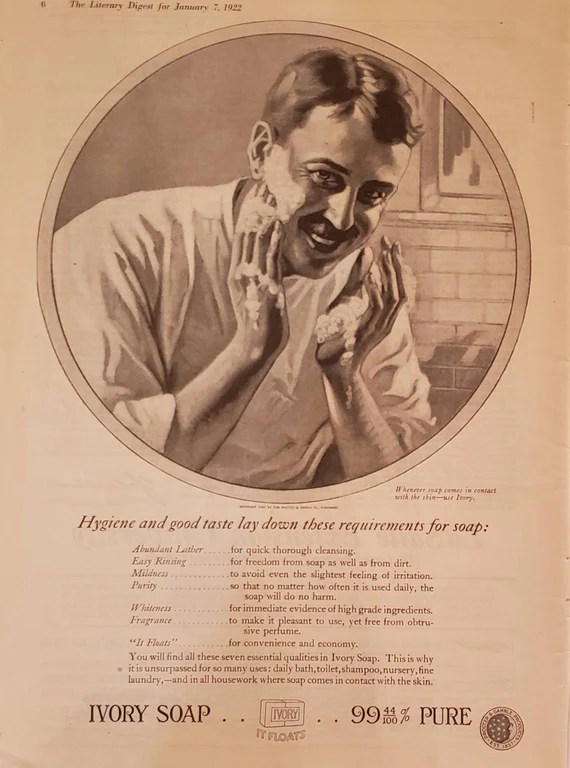
Throughout this semester, the blog assignments helped me connect what we learned to rel life topics like sports, music, advertising, politics and social media. It definitely was a learning curve since I have never done blogging before. Some of my favorite blogs were the Super Bowl images and the Soap advertising blog because it showed how media can influence audiences in different ways. The Super Bowl blog especially made me realize how companies use visuals, celebrities and emotions to advertive and get peoples attention. I also learned in Chapter 8 of Converging Media and projects how social media spreads information quickly, but it can also spread misinformation even faster. Another thing I learned was how media companies and online platforms influence what we watch, buy and see on social media without us even noticing it. We read about that in a course reading in module 10, “The 15 Types of Influencers You Need to Know for Effective Influencer Marketing” by Neal Schaffer. It was about using influecers on social media to advertsing and sell produces and how successful they are. These blogs and cource reading made me pay more attention to how the media markets different ideas and is changing opionions and the cuture.
This class, through blogs, course readings, lectures and discussions, help me realize that media is much more that just entertainmant. This semester I’ve learned alot about misinformation in the media, Al and digital media, media literacy, media effect on society. I learned about how the music industry is ran. It’s been very interesting. All these topics made me pay attention to how powerful media is on our culture and how it effects our opinions on the decisions we make everyday. I asked some questions on my first blog. How do journalist find and verify sources for stories? I learned that journalist verify sources by checking facts, using mulitple reliable sources, researching evidence and comfirming information before publishing stories. How does jounalism change across platforms like social media, tv, print , eat? I learned that journalism changes depending on the platform because social media focuses on speed and engagement, while tv and print usally provides more detailed reporting. Social media also allows news to spread much faster, but it can sometimes lead to misinformation. Overall, I enjoyed this class more than I thought I would and I learned alot.
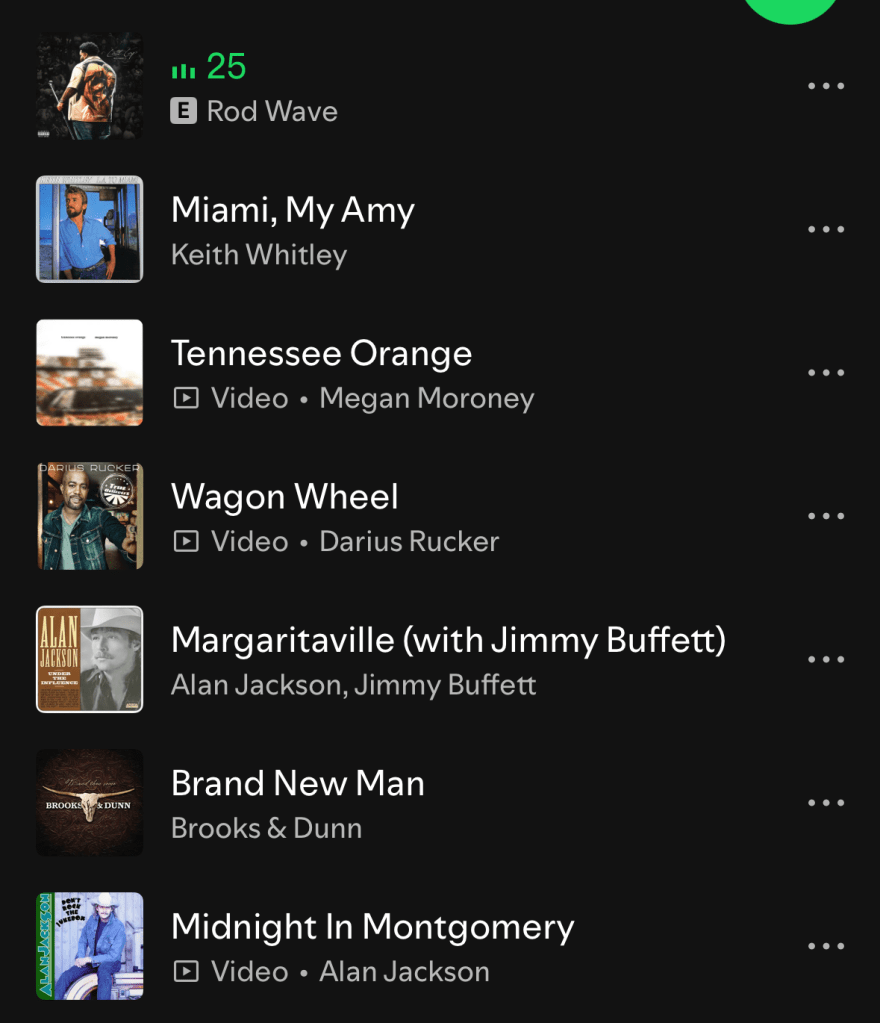
I am charged $20 a month for Spotify. I feel like that is a good deal considering I can stream music anytime I wish. Whether it’s Megan Moroney, Darius Rucker, or Brooks & Dunn, my playlist is always with me. Streaming has made music more convenient than ever before. Once I started doing some research into how the artists got paid, I realized something that surprised me. Even though millions of people pay for streaming services, most of the money does not go directly to the singers. Instead, it goes to record labels and corporations first. Streaming has completely changed the music industry. It has made music more accessible, but it also makes me wonder who benefits the most, the artists or corporations?
Source: Author’s Spotify playlist
Tennesse Orange Megan Moroney
“Tennessee Orange” cover art. Image Source: Columbia Records/Sony music
My playlist has songs like “Tennessee Orange” by Megan Moroney on it. Streaming and social media is basically the reason this song blew up, which shows how different the music industry is now compared to the past. Megan Moroney is part of Columbia Records Nashville, the music production company under Sony Music Entertainment’s ownership. Even though Megan is the voice of the song, the label distributes and profits off it. Sony is one of the three main record companies that control much of the global music industry. That means a lot of revenue from streaming comes directly to the giant corporations before the artist sees any money. If Spotify were to pay around $0.004 for each stream, the song would need to stream 250 times before it makes a dollar. Even then, that dollar doesn’t go to Moroney. Spotify keeps a percentage, and Sony takes its portion before the artist gets what’s left. Some artists earn only a part of the total revenue. That means even if “Tennessee Orange” has millions of streams, the money is split, and the artist makes less than the listener realizes. As a Spotify user paying $20 a month, it was suprised to find out that a small portion of my subscription actually goes to the artist.
Wagon Wheel – Darius Ruckers
“Wagon Wheel album cover. Source: Spotify(Capital Records Nashville/Univerasal Music Group).
Another song on my playlist is “Wagon Wheel” by Darius Rucker. This song has been popular for years and still gets many streams every day. Darius Rucker is signed with Capital Records Nashville, which is owned by Universal Music Group. Universal is one of the “Big Three” record companies, along with Sony and Warner, they dominate the global music industry. That means two of the three songs I picked are controlled by two of the biggest corporations in the world. Even though “Wagon Wheel” has hundreds of millions of streams, the payment structure works the same way. If Spotify pays $0.004 per stream, thousands of streams are needed to make a few dollars. Spotify takes a percentage first, Universal takes a cut, and then the artist receives what is left based on their contract. For older artists like Darius, contracts may be better than for new artists. The label still controls a big portion of the revenue. It made me realize that even though streaming is affordable and convenient for me that most of the money goes to the corporation before the artist receives any profit.
Brand New Man – Brooks & Dunn
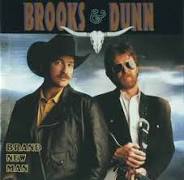
“Brand New Man” album cover. Source: Spotify( Arista Nashville/Sony Music Entertainment).
The third song I selected is ” Brand New Man” by Brooks & Dunn. This song was released in the early 1990s way before I was born and decades before streaming was a thing. Artist back then received the majority of their income from CD sales, radio plays and touring. Brooks & Dunn are signed to Arista Nashville that is owns by Sony Music Entertainment. Two songs out of three I chose are pretty much connected to Sony. Although “Brand New Man” was from the CD era it makes money today through streaming services like Spotify. The payout plan a stream is 0.004 on average. Spotify gets their percentage, Sony takes theirs big amount and the artist that once made money on CD sales receives the remainder amount. Artist get significantly less money from streaming companies than decades ago when they sold albums. It shows how the industry had fans buying full albums of songs that now rent millions for a monthly fee. Crazy how thing have changed!
Honestly, I never really thought about where my streaming money went before this blog research. Spotify seemed to me like another streaming company, like Netflix. It felt like a good deal $20 a month for unlimited music.
Then, I did the research about labels and ownership of the songs. The companies like Sony and Universal take a big chunk of the profit before the artists even see a penny. Streaming has absolutely made music easier to access; that is what I like. The new artists blow up quicker, and the songs replay whenever I want, but it’s also weird that thousands of streams might only equal a few dollars for the person who creates them. That’s what made me think about how much different it was when artists sold full albums instead of renting access to millions of songs. I still love streaming, but now I know the trade-offs that come with convenience. There have been massive changes to the music industry that are good for listeners and not so good for the artists.
Lights, Camera Action: Super Bowl in Images
Source: X.com
On Super Bowl night, it’s like the whole country is watching the same program together. It’s more than just a game it’s a once a year event. The stadium is packed, the fans are excited, and the cameras are set up all around the stadium ready to get a perfect action shots of the game. Fireworks, slow motion repays, celebrities in luxury boxes, fans with face paintings are just some of the exciting parts of Super Bowl. For this visual photo blog I chose the Super Bowl because it’s an event I see all over social media and one of the most photographed events of the year. In this blog , it’s not about who wins, it’s about how the images are captured. The fans screaming, touchdowns, interceptions, lights, and confetti. The Super Bowl turns a football game into a huge visual event. Photographers use visual framing to guide what viewers focus on. Capturing certain moments and emotions that tell the story of the game. The image shown above of a huge stadium and full of fans at an event, it does not show the behind the scene work of the staff, camera crews and security that makes an event possible. This blog looks at the Super Bowl though different types of images including wide stadium shots, fan reactions, player action on the field and the small details left behind after the game.
Source Youtube
After the stadium shot, we are now where the action is. Fans in jerseys with painted faces, yelling, waving flags and signs, holding their phones up while the field is lit up with lights. These shots aren’t just showing the crowd , it’s showing you happy faces, nervous faces, excited faces and faces focusing on the game. Its making the Super Bowl feel more personal and close up. What is missing from this image is the perspective of millions of viewer watching the Super Bowl at home.
Source: ESPNSource: USA Today
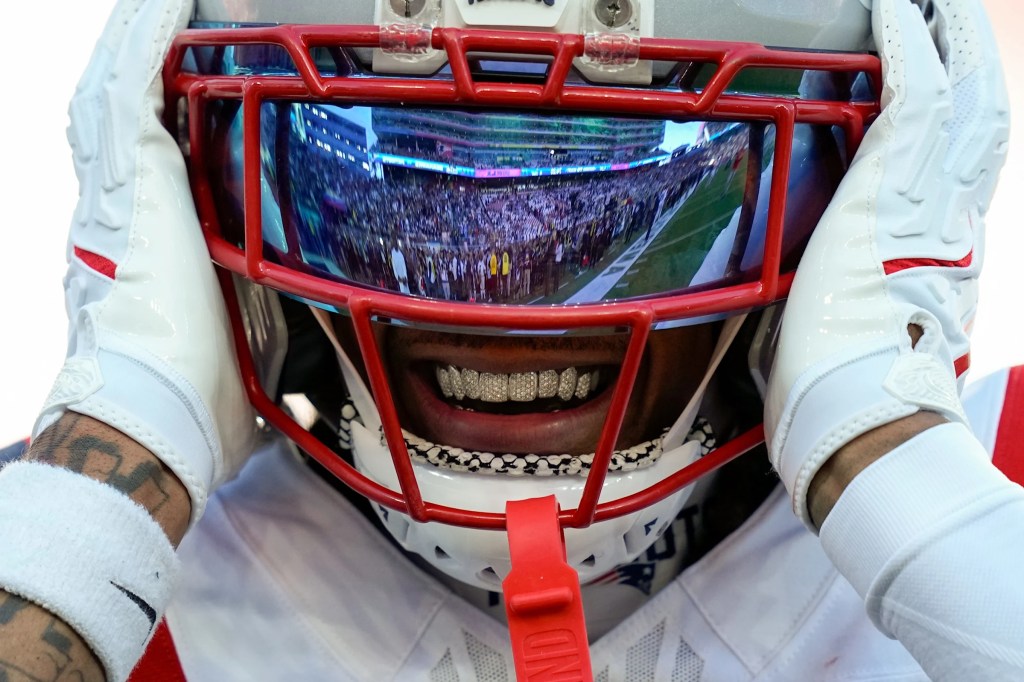
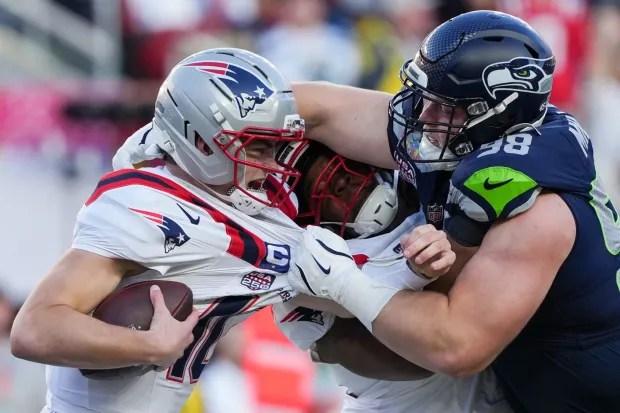
For my third and fourth pictures, I wanted to focus on portrait shots. In the first shot, you get an extremely up-close picture of the player on the field with his helmet on and his hands on the side of his head. The reflective dark visor and bright red face mask make him look like a superhero. You can feel the nerves and focus in his face. You can see his mouth guard and the reflection of the light in his visor. Maybe we can imagine what might be going on the head of the player. The second picture is an up-close impact picture during the game. You mainly see helmets, arms, and strength instead of the scoreboard or crowds. The image makes the hits feel more intense, it’s like you’re caught in the action instead of watching it from the stands.
For my action shots, I wanted to capture some exciting moments. In one picture, the receiver is being pulled down to the field while coaches and teammates watch on the sidelines. In the other picture, the player is holding his arms out representing a blocked touchdown. These images freeze the fast-moving game on TV. You can see the strain in their bodies and see the highlighted moments.
Source:NBCSource: ABC
During halftime, the game turns into a concert on the field. For a few minutes the field stops being a football game. In these photos the performers are surrounded by dancers, bright lights, costumes and a stage that covers part of the field. The background is lights from phones and glowing LED bracelets. The camera doesn’t show the field or scoreboards. The cameras make the Super Bowl feel like a huge music video for TV and social media. By including these photos I’m showing that the halftime show is just as important visually as the game.
Source: Alamy.comSource: x.com
The next set images are the details in the game not noticed by people. The first picture shows the ground covered with green and silver confetti after the celebration. The next picture is a game used football on the white line. You can tell it’s been used, it’s covered in green grass and the leather is worn. Showing these images with these little details of the Super Bowl, the photos make the event feel more real. You can almost imagine you can feel the turf and the confetti. Big TV moments leave little details behind on the field, and these pictures show those. The details help tell the story of the game’s ending. It also shows the emotional reaction of the players and fans after the final whistle is blown.
Putting these photos together made me realize how many different stories can be told about one Super Bowl night. The wide shot of the stadium says it’s a giant national event. The portraits and action shots on the field make it feel more personal, and you can feel the emotions of the players. The halftime images show how easy the game can turn into a music video. The last two shots of the game, using football and confetti on the ground, show as the excitement dies down. Looking at the game this way through the images instead of the actual game can show how visual reporting can shape what we all remember and feel. This idea connects to the concept of visual literacy, which means to understand and interpret the message that images communicate to the audience.
Sources
Bamford, Anne. The Visual Literacy White Paper. https://contentauthenticity.org./
Careers Collective. “Global Trends and the Future of Photography.” https://careerscollectiv.com/global-trends-and-the-future-of-photgraphy/
Adgate, Brad. “The Future of Television is Broadcasting & Streaming: Here’s Why.” Forbes. https://forbes.com/site/bradadgate/2024/08/08/the-future-of-television-isbroadcast-streaming-heres-why
How ESPN Uses Social Media to Stay Relevant in a Fast-Paced Digital World
Social media plays a huge part in how people get news and stay entertained today, especially when it comes to sports. One company that stands out is ESPN; it is a major sports media network that was founded in 1979 and is known for covering live games, highlights, and sports news. Over the years, ESPN has grown to become one of the most popular sports platforms in the world. Social media has become a big part of how it reaches its audience. Today, millions of people use platforms like Instagram, TikTok, and YouTube to stay updated. It makes social media one of the fastest ways to share information. About 53% of U.S. adults say they get news from social media. According to the Pew Research Center, “many Americans use social media to engage with news content, share information, and entertain themselves.” Because of this, companies like ESPN rely on social media to connect with fans, share updates, and stats in real time.
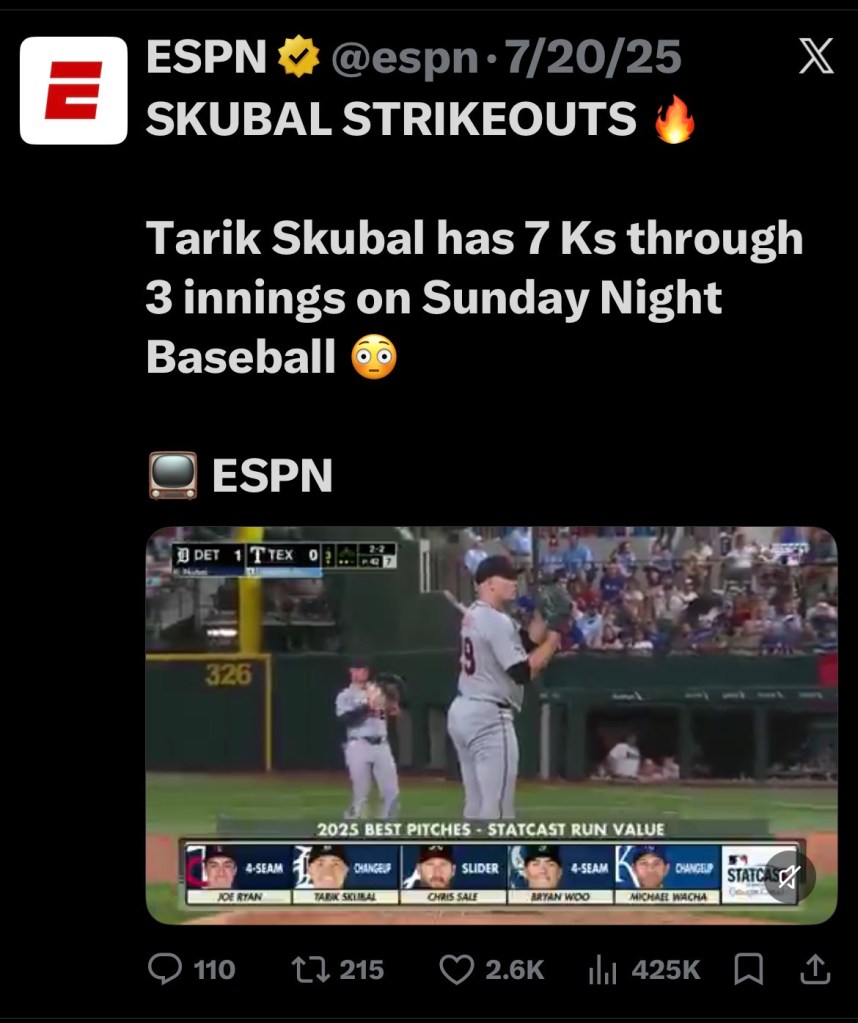
Figure 1: ESPN posting real-time updates and highlights on X, showing high engagement through likes, reposts and comments. Source: EPSN X
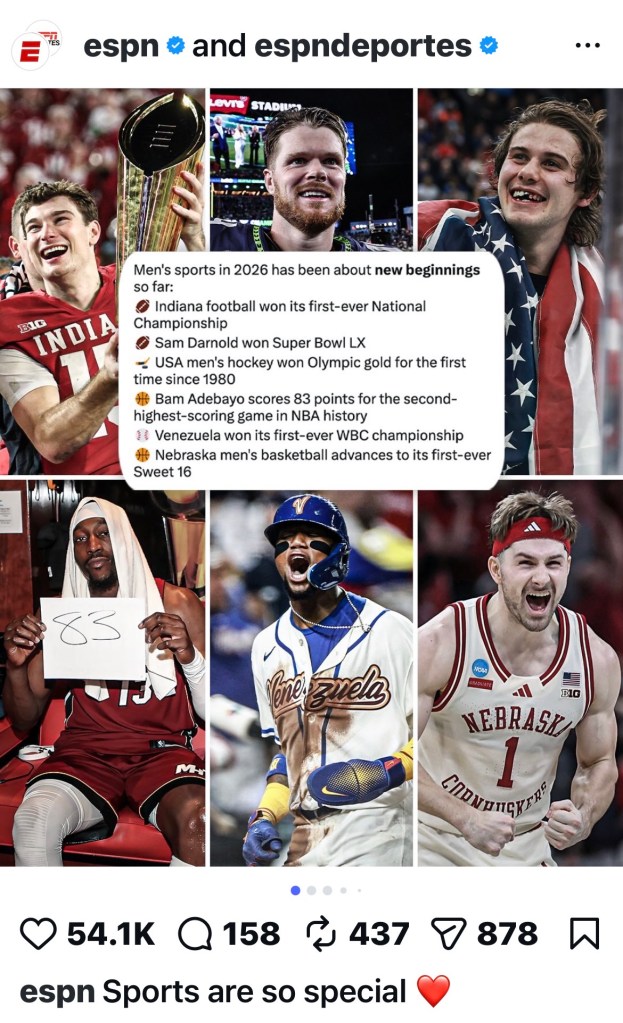
ESPN’s social media is also effective because of how much engagement it receives from users. Their posts often get thousands to millions of likes, comments, and shares, showing that fans are actively interacting with content daily. One of their most effective platforms is Instagram because it combines visuals, short videos, and quick updates, which makes it easy for users to stay interested. On X, ESPN focuses more on live updates and reactions, keeping fans involved during games in real time. Even though ESPN does not always reply directly to comments, the content still creates a lot of conversations among fans, especially when it comes to big plays or controversial moments.
This also connects to what we learned in the module about what makes social media unique. As the course explains, “choice, conversation, curation, creation, and collaboration.” ESPN uses choice by posting different types of content across multiple platforms. It lets users pick what they want to see. They create conversation by sharing posts that get fans talking and debating. Their curation is strong because they choose the most important highlights and news to share with their audience. ESPN focuses on creation by producing original videos, graphics, and sports coverage. Lastly, collaboration happens when they feature athletes, teams, and other media accounts in their content.
Figure 2: ESPN Instagram post showing high engagement through likes, comments and shares. Source: ESPN Instagram
While ESPN is very effective on social media, there are also some negative effects that come with these platforms. As one source explains, “studies have shown that social media is correlated to increased feelings of depression among its users” (Social Media Victims Law Center). Research shows that lots of social media use is linked to the increase of anxiety, depression, and low self-esteem, mostly among young users (Anne E. Casey Foundation). There are also privacy concerns, as studies have found that location data from smartphones can track people’s movements, even when users think their information is private (The New York Times). Social media algorithms also play a huge role in what users see. In a discussion on MSNBC, a journalist named Ali Velshi explains that many people feel like they no longer have control of their attention because platforms are designed to keep users engaged for as long as possible. This can lead to constant scrolling and short attention spans. Research from MIT says that social media often promotes content that gets the most reactions even if it spreads misinformation. While ESPN benefits from social media by reaching a big audience, it is also part of a system that has both positive and negative impacts on users.
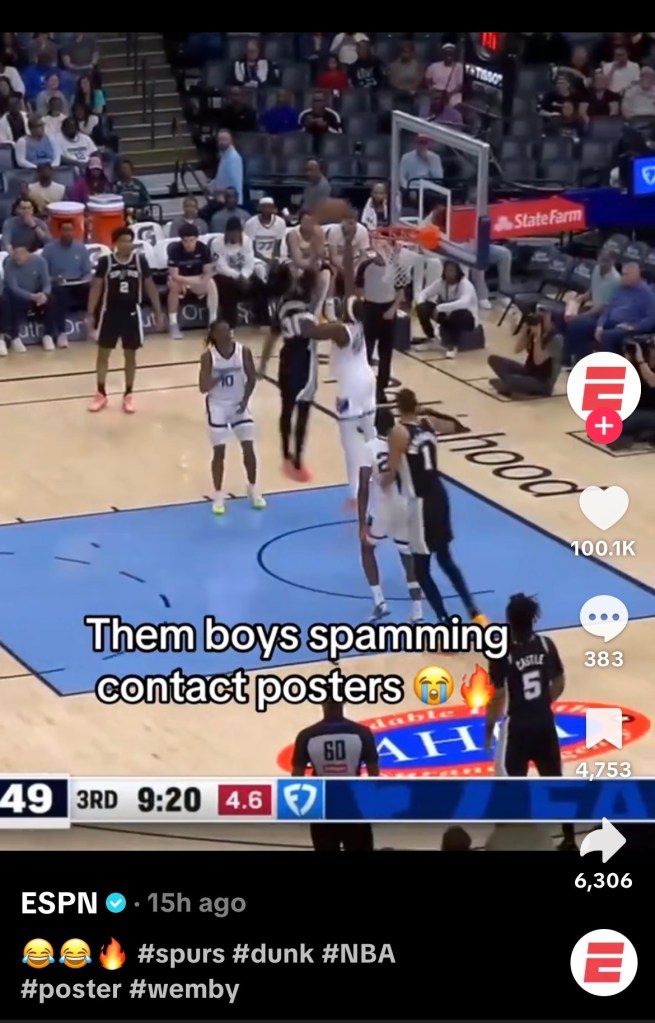
Figure 3: ESPN TikTok post a sports reel content designed to engage younger audiences through highlights, captions and trending formats. Source: ESPN TikTok
Overall, ESPN is very effective in its use of social media. When it comes to reaching large audiences and keeping fans engaged, one of its biggest strengths is its ability to post quickly and consistently during live sporting events that keep users up to date. Another strength is its presence across multiple platforms like Instagram, X, and TikTok. This allows ESPN to connect with different types of audiences. However, a weakness is that ESPN does not interact with followers directly, which might make the content feel less personal. ESPN could improve by creating more interactive content like polls, live streams, or responding to fans more often. A threat the company faces is the increasing competition from other sports media platforms and individual athletes who post their own content. Additionally, issues like misinformation, privacy concerns, and the effects of mental health may impact how users engage with these platforms. One recommendation for ESPN would be to increase social engagement by replying to comments and encouraging more interaction with fans. Another recommendation would be to continue expanding platforms like TikTok to reach younger sports fans. Overall, while ESPN is already very successful on social media, making these changes could help it stay competitive and build strong connections with users.
From Lifebuoy to Influencer: The Evolution of Advertising
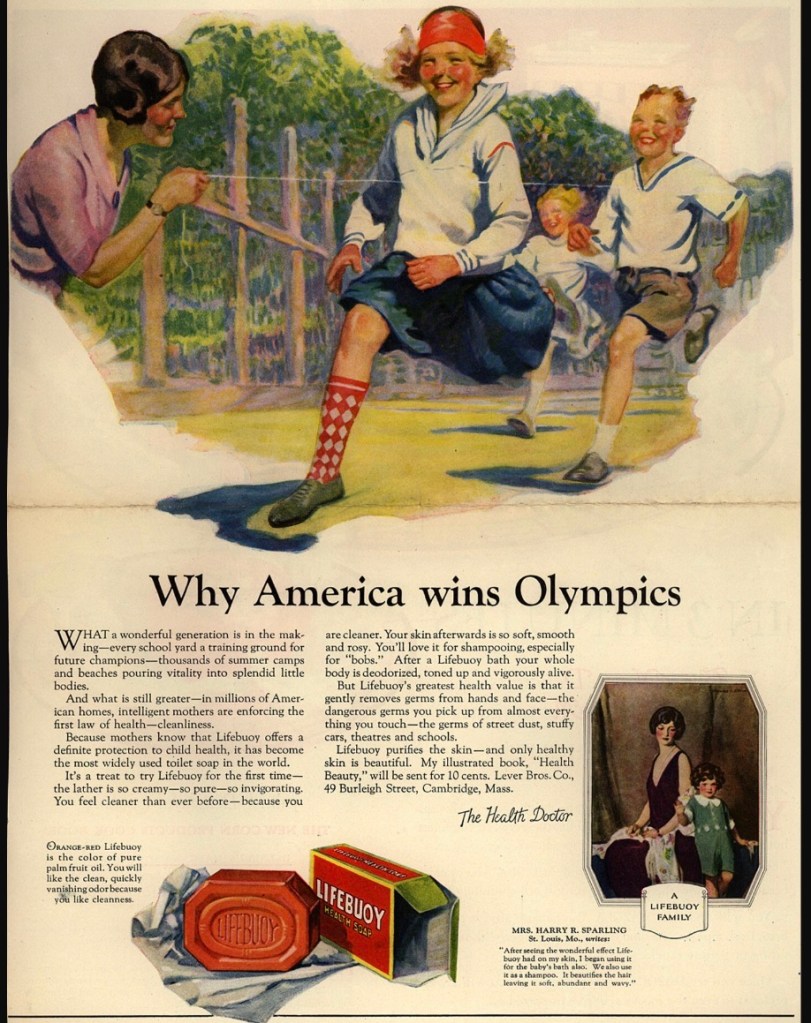
Advertising is something we see every day. It could be on social media, TV, or even just walking around. It doesn’t just try to sell products; it also shapes how people think and what they see as normal. A lot of ads use things like emotion, visuals, and certain messages to get attention and influence people without them even realizing it. The course talks about how ads are made to target specific audiences and use different strategies to persuade them. Even though advertising has changed over the years, it still reflects the values and ideas of the society it comes from. Looking at older ads compared to modern ones can show how much things like culture, technology, and expectations have changed, but still providing that the main goal of advertising is to influence people has stayed the same.
Figure 1. Lifebuoy Soap Advertising, 1920s. Source: Duke Ad Access)
Advertising today looks a lot different compared to older ads like the Lifebuoy advertisement. Instead of simple images and a basic message, modern advertising is much more flashy, digital, and personalized. Companies now use social media, influencers, and data to reach targeted audiences instead of appealing to everyone at once. For example, many brands partner with influencers who promote to their followers in a way that connects with their audience. It focuses on connection, relatability, and engagement rather than just promoting a product. Neal Schaffer “Types of Influencers” explained, “influencers can have a strong impact because of how connected they are to their audience.” This shows that even though advertising methods have changed, it still plays a major role in influencing how people think, what they value, and what they see as normal. By comparing past and present advertising, it is clear that advertising not only reflects society but also helps shape it over time; it still plays a role in influencing how people think, what they value, and how they act.
Figure 2: Dove Men+Care Advertising (Modern Grooming Product)Source: Dove Online Advertising
This Dove Men+Care advertising shows how modern advertising focuses on more on confidence, self-care and personal identity. Unlike older ads that mainly targeted women with families. This ad is aimed toward men and it promotes the idea that taking care of yourself is normal and important. The ad uses a real person looking at himself in the mirror to make the ad feel more believable and realistic, that helps viewers connect with it. Instead of just explaining what the product does the ad focuses on how it make someone feel. This is a common strategy for modern advertising. As Mass Media in a Free Society explains “advertising does not just sell products, but also shapes culture and influences what people see as normal.” This can be seen in this ad because it reflects modern influences what people see as normal. This can be seen in this ad because it reflects modern ideas about masculinity, where self care and confidence is more accepted. This overall shows how advertising has changed with society and still influences people on how they think and behave.
Stephen Curry is a strong example of how modern advertising uses influencers to promote products. As a professional athlete, he has large following and a strong personal brand that makes his endorsement more persuasive. When Curry promotes products like shoes or sports gear, he makes it feel more authentic because he’s trustworthy and admired. This is different from Lifebuoy; they rely on more detailed message and authority rather than personal connection. Influencer advertising focuses on relatability and trust, making it more effective in today’s digital world. According to Business.com, “modern advertising has shifted toward more personalized and engaging strategies that connect directly with audiences”. This can be seen in endorsements like Curry’s, where athletes influence not just the products people buy but also how success and lifestyles are seen . Curry has 50 million followers on Instagram, which increases how many people see and trust the product. This shows how advertising has evolved to focus more on connection and engagement rather than just promoting a product. This also shows that advertising today sells not only products, but a lifestyle that audiences want be copy and relate to.
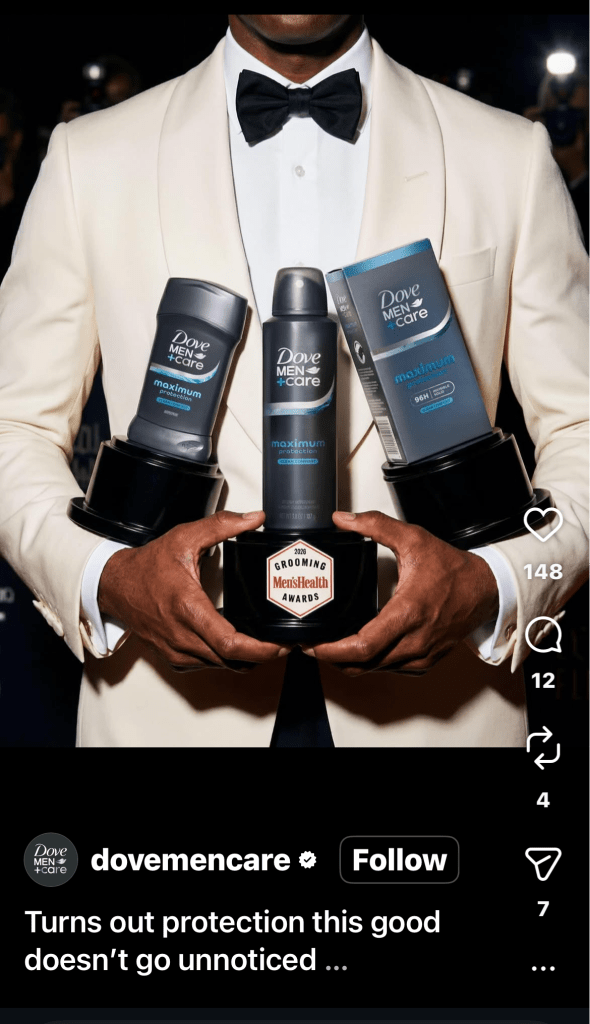
Figure 4: Dove Men+Care Social Media Advertising Source: Dove Care Instagram Adverting
This advertising highlights how brands today focus more on image and presentation to attract attention. Instead of explaining the product in detail, the ad uses a handsome, award-winning man in the photo to make Dove Care look high quality and successful. The ad uses a formal look, with a nice suit and trophies, tries to connects the products to the look of achievement and confidence. For example, the suit, trophies, and confident pose make the person look successful, which helps viewers associate the success with the product. This makes the ad more persuasive because people are more likely to buy something they associate with success and confidence. This kind of marketing works very well on social media. People are scrolling and notice bold visuals instead of long texts. Modern advertising is designed for fast-paced social media platforms by being simple and powerful marketing. According to the Business.com, newer advertising strategies use advanced technology to make ads more engaging and tailored to audiences(Buisness.com). This shows how advertising today gives less information and more about creating a strong impression that connects with the viewer. This is effective because social media users scroll really fast, so ads have to catch attention right away. Instead of giving a lot of information, this ad focuses more on how it looks and how it makes people feel, which gets people to remember the product.
Figure 5: Comparion of Historical and Modern Advertising Styles Source: Vintage Ad Archives Source: Modern Dove Campaign
This comparison clearly shows how much advertising has changed over time. The older ad on the left uses more text and focuses on explaining the product and its benefits, while the modern ad on the right shows more visuals and emotional appeal. The modern image is simpler and more eye-catching, showing how advertising now focuses on getting your attention quickly with not a lot of reading. Modern ads are more diverse and relatable compared to the older ones. That reflects changing ideas about identity and representation. According to the research in Advertising and Culture, advertising not only sells products but also shapes social values and messages in society. This can be seen in how modern ads focus more on lifestyles and identity, while older ads focused more on how the product works and instruction. Overall, this comparison highlights how advertising has evolve with changes in culture and technology. This shows that advertising not only reflects culture, but also shapes how people understand identity, success and value over time.
In conclusion, advertising has changed a lot over time but the main purpose has stayed the same. Older ads like the Lifebuoy advertisement focused more on giving information and using health related clams to convince people, while modern ads focus more on visuals, emotions, and personal connections. A big reason for this shift is technology, especially social media and digital platforms that allow companies to reach people in more personalized ways. Advertising today also reflects changing values in society, such as identity, confidence, and lifestyle. Even though the style and strategies are different, both old and modern ads are designed to influence and how people think and what they choose to buy. This shows that advertising continues to change with society while still having a strong impact on culture and everyday life.
Works Cited
“Advertising Does Not Just Sell Product.” Mass Media in Free Society.
Business.com. “Modern Advertising Trends.“
Dove Men+Dove Care. Instagram Advertisement.
“Lifebuoy Soap Advertisement (1920s).” Duke Ad Access
Schaffer, Neal. “Types of Influencers.”
How Media Shapes Political Messages: A Look at DeSantis’ Speech
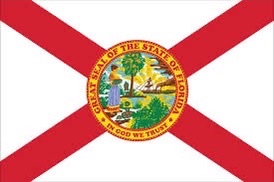
Florida Flag Source: US Flag company
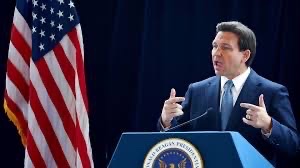
The State of the State address by Ron DeSantis outlines the priorities and direction of his administration for the upcoming 2026 year. The speech was given on January 13, 2026 in Tallahassee, Fl during the legislation session at the Floirda State Capital. In this speech, he talks about what his administration has already done and what he plans to focus on moving forward. He focused on major issues like economy, education and public safety, while highlighting what he sees as successed in Florida. The purpose of the speech is to inform the public, influence lawmakers and convince people that his leadership has been effective. He speaks in a confident tone, supported by examples and repeating key ideas to make his message stick. The speech is meant to shape how people understand his policies and the direction of the state. You can watch the full speech here: https://www.youtube.com/live/IKUgJWZrl9Q?si=_035bX4OUIc1L3Du
Governor DeSantis delivering his State of State address. Source CNN
In the speech, Ron DeSantis uses several persuasive strategies to influence his audience. He repeats key ideas about job growth, public safety and progress in Florida, which helps make his message easier to remember and more persuasive. This repedtition is effective because when people hear something multiple times, they are more likely to believe it. He also uses a confident tone that makes his argument sound more believable and credible.
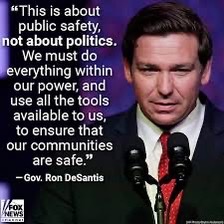
Another way the speech is persuasive is through emotional appeal. DeSantis talks about topics like families, safety and the future, which are things most people care about. In the speech he says, “This is about public safety not about politics. We must do everything within our power, and use all the tools available to us, to ensure that our communties are safe.” By doing this, he is trying to connect with the audience on a more personal level, not just to give them information but by appealing to their feelings. He uses logic by including examples and talks about results, that makes his argument seem more supported and believable. The combination of emotional and logical appeal makes the speech more effective because it speaks about how people feel and how they think. However, how effective the speech is can depend on the audience. People who already support him will probably see the speech as strong and convincing, and others might question the claims or feel like it leaves out important details. Overall, the speech delivers a message and persuades supporters, but it may not fully convince people who already disagree with his views.
The speech mixes emotional and logial appeals to connect with the audience. Source:Fox News
As someone born and raised in Florida, this topic feels personal because the policies and ideas of the speech directly affect me and my family. Watching the full speech, DeSantis came across as confident and focused but in traditonal media coverage, his message may seems controversial. This shows that traditional media like the Miami Herold, gives more context by focusing on the full speech and issues like property taxes and AI policy. Traditional media tends to be more reliable and still influences how people feel about the message. Social media is different, it spreads information quickly and without full context. That can cause confusion, strong opinions or division. Because of this, social media can hurt and help democracy by giving people a voice while also increasing polarization. Overall, this shows that politicians can come across very differently depending on how their message is presented and it is important for the audience to think critically about where their information is coming from.
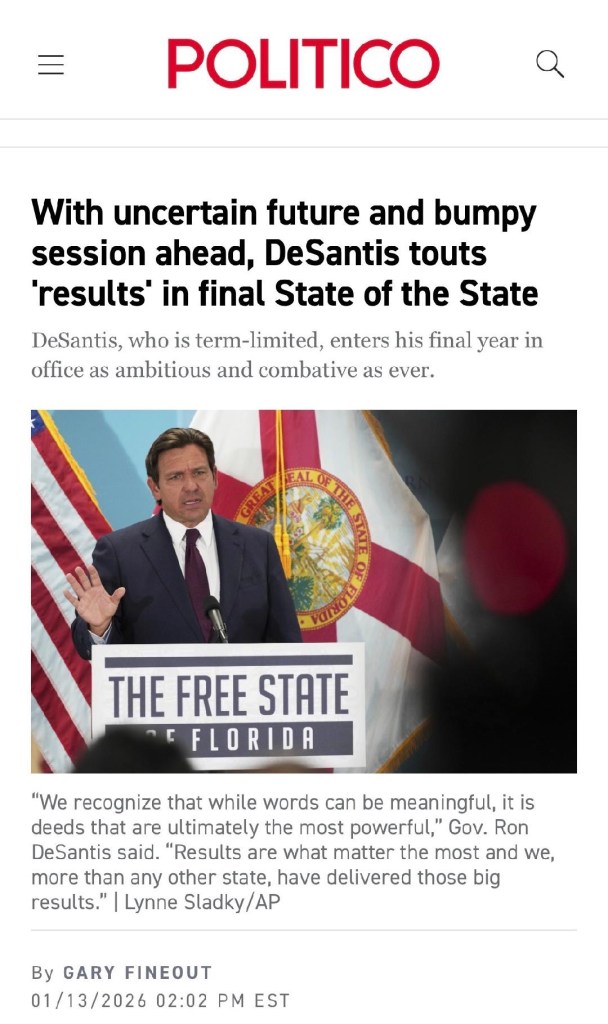
This Politico headline focuses more on uncertainty and challenges, showing how media framing can shape how the speech is understood. Source Politico
When looking at traditional media coverage, a Politico article online presents a more crititcal and complex frame of the speech. Instead of only focusing in DeSantis’ achievements, it highlights uncertainty about his political future and ongoing tensions within the Florida legislature. The article mentions issues like disagreements over taxes, artificial intelligence policy and conflicts with Republicans and Democrats, which makes the speech seem less straightforward then it first appears. It also shows criticism from Democratic leaders who say that DeSantis has focused too much on “culture wars” instead of real problems like affordability. This connects with the course ideas on media framing, where journalist shape how audiences understand a message by choosing what details to include or emphasize. Because of this, the traditional media frame is not completely nuetral, it can still influence how people interpret the speech.
On Social media, the reaction is more divided and emotional. For example, users on Twitter praised the speech for fouscing on “results” and leadership while others criticized it for ignoring issues like immigration, gun laws and political division. Users repond quickly on social media platforms, often reacting to short clips instead of the full speech. This conncts to the MIT Technology Review reading, which explains how new media allows information to spread quickly without traditional gateways. That makes communication faster but less controlled. It also creates to the idea of “filter bubbles” where people mostly see content that matches their existing beliefs, that can increase political polarization. Because of this, social media can influence how people see political problems by emphasizing certain viewpoints over others. Compared to traditional media, which provided more context, social media is faster and more emotional. This can lead to stronger opionins and also cause more confusion or misinformation. Overall, liberals and conservatives interpret the speech differently based on their views, both traditional and social media play a big role in shaping their perspectives.
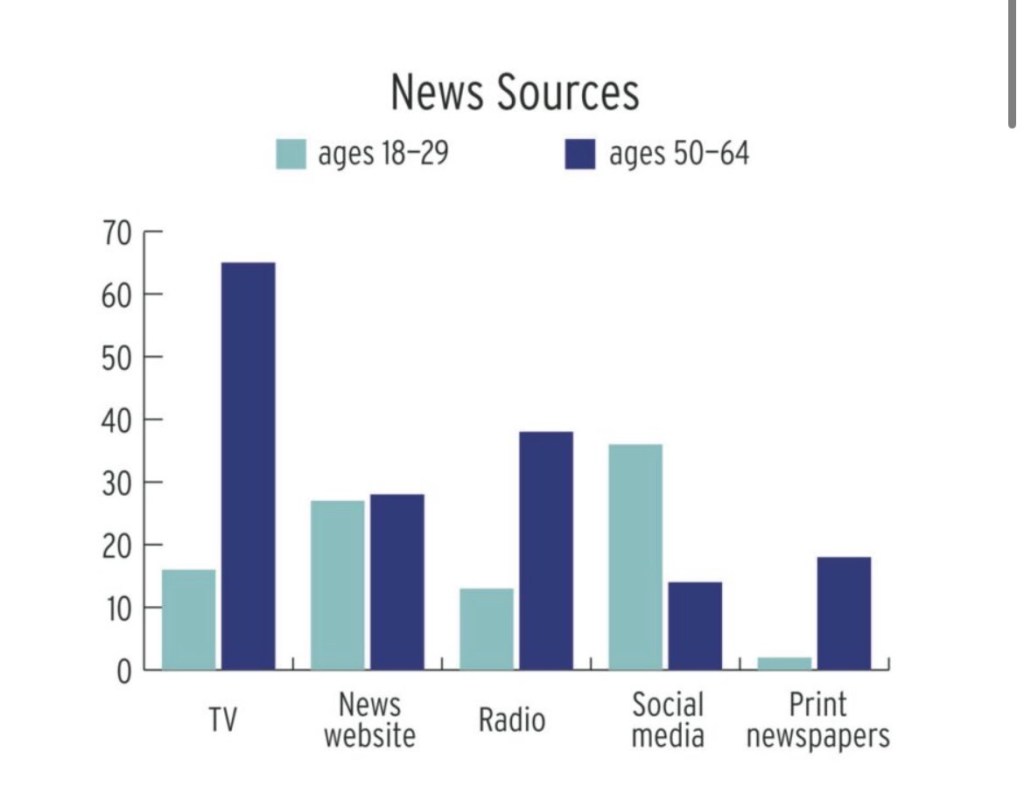
This graph shows where diiferent age groups get their news. Younger audiences using social media more, which shapes how they understand political information. Source:The Daily Universe
Overall, my thoughts of DeSantis’ speech is different from how it is presented in both traditional and social media. After watching the full speech, it comes across as more confident and focused on achievement and future goals. Traditional media frames it with more focus on political conflicts and uncertainly. This shows that traditional media can be helpful and more reliable because it provides context and mulitple perspectives. It can still be somewhat biased depending on what it chooses to emphasize. Social media, on the other hand, spreads information much faster and is more emotional, this can sometimes make it less trustworthy.
As someone from Florida, this topic feels personal because the politicies and the ideas he discusses in the speech affects my community. It is very important to look at multiple sources before forming an opinion. Politicians can seem very differently depending on where people see the message. In the actual speech, DeSantis seems more controlled and direct, but in the media coverage or social media his message can appear more controversial or one-sided. Social media can both help and hurt democracy, it gives people a voice and allows information to spread quickly. It can also create confusion and division. In the end, this shows that political communitcation today is more influenced by what is shared and not what is said. This can affects how it’s framed and interpreted. The audience needs to think critically about where the information is coming from.
Media Control in China vs Freedom in the United States
China has one of the most controlled media systems in the world, because of the government, culture and growing economy. As a communist country led by Chinese Communist Party, the government has a strong influence over what information is shared through the news, television and the internet. Cultural values that emphasize stability and control also play a role in limiting criticism and shaping the media content. While China’s economy has grown so has its media industry, but it is still closely regulated by the state. Because of these factors, the level of press freedom in China is very limited compared to countries like the United States. Understanding China’s background helps explain how China’s media system operates and how it compares to a more open system like the U.S.
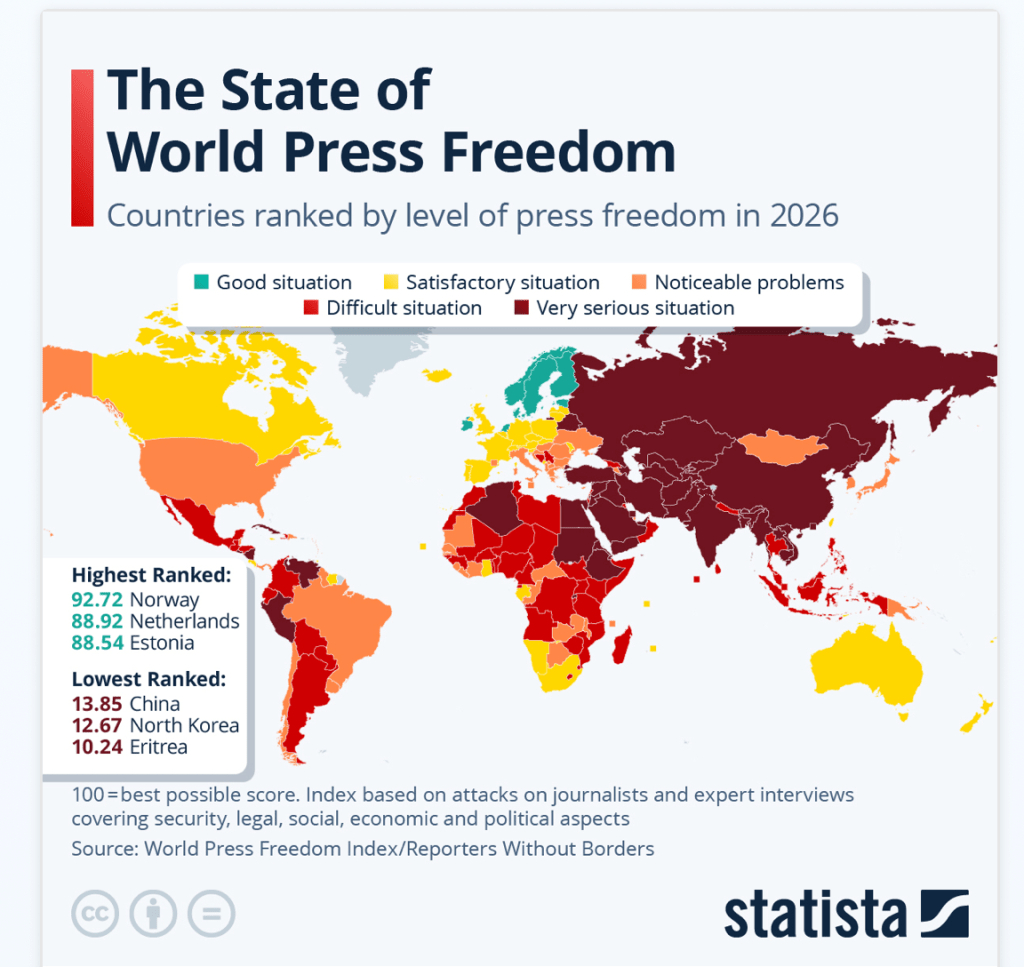
Figure 1: China ranks low in Press freedom. Source: World Press Foundation Index
One way to understand China’s media system better is through the authoritarian theory of the press, which is discussed in the course reading from Converging Media in Chapter 15. This theory explains how government controls the media in order to mantain power and limit criticism from the public. In China, this is clearly seen through strict censorship laws and government oversight of newpapers, television and online platforms. Content that criticizes the government is often removed, and journalists are expected to follow official guidelines when reporting the news if not obeyed journalist can receive jail time. The media is not independent owned, it supports the government agenda. According to RSF World Press is now considered “difficult,” and China is ranked near the bottom for heavy restrictions on journalists and media organizations. This supports the idea that China’s media system follows the authoritarian model, where information is controlled and able to share freely. Because of this, the Chinese do not have access to different viewpoints and that can limit open discussions and public awareness.
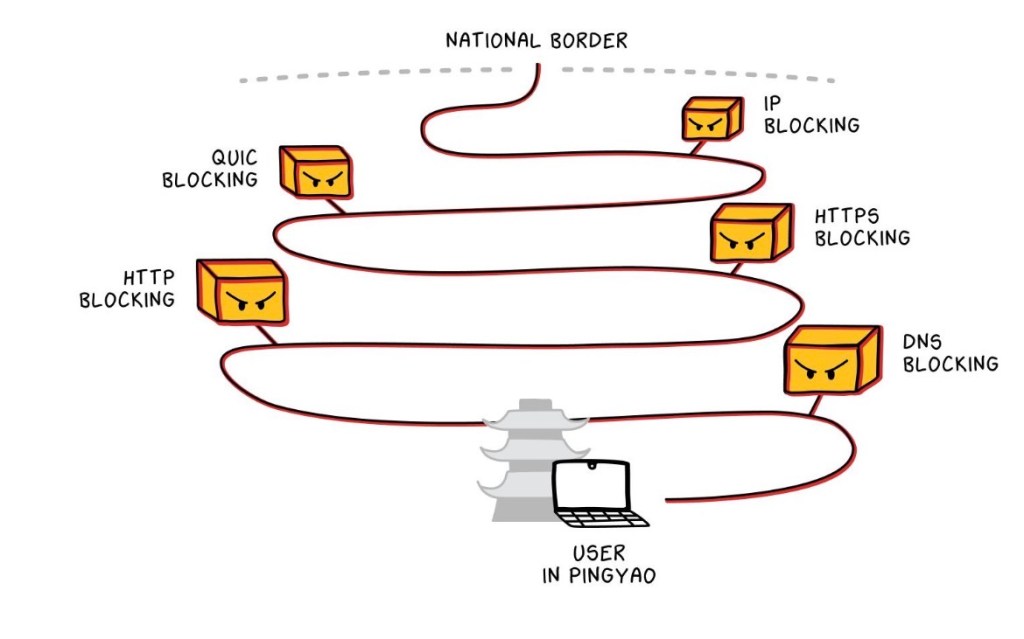
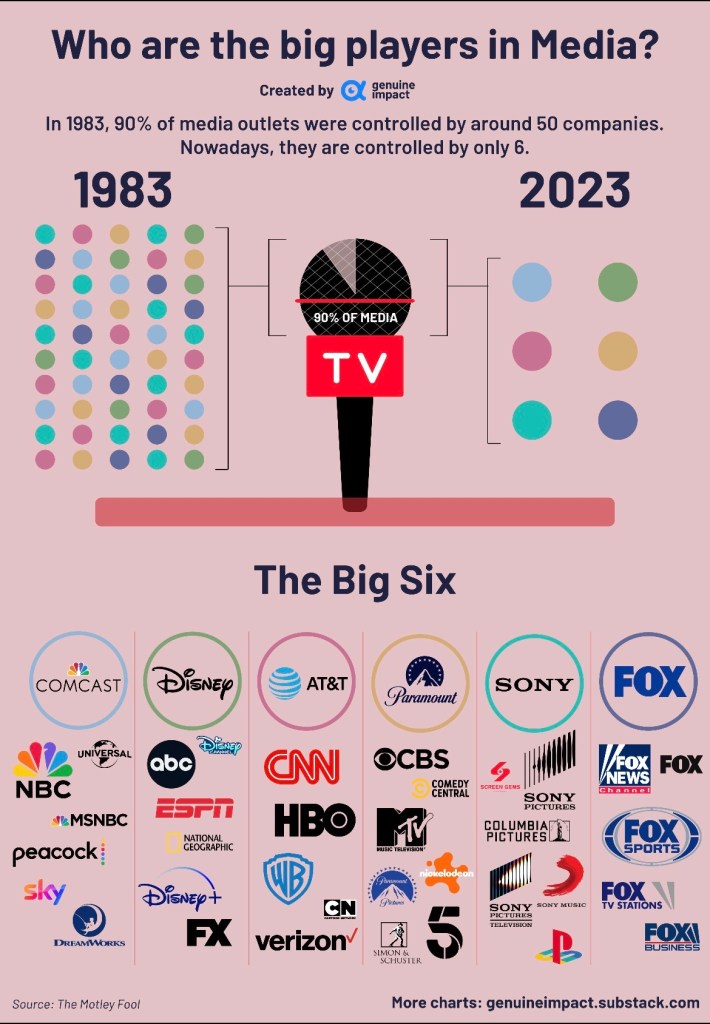
Another major difference between China and the United States is the level of freedom in the media and how information is shared with the public. In China, the government closely monitors the news and online content, and that limits what the people of China are allowed to see and say. This means that information is always filtered before it reaches the public, and the people may not have access to different view points or opinions. Most of the media in China is owned and very influenced by the government. That makes most news follow the government’s message instead of showing different sides. It’s the opposite with the United States, they allows much more freedom in the media, where journalists can report on the government and express different opinions without the fear of punishment. Media in the U.S is mostly privately owned by corporations, that can still influence context but it lets a larger range of voices and viewpoints be heard. These differences are also governed by laws. China enforces strict regulations on media content, while United States protects freedom of speech through the First Amendment. Digitization has also impacted both systems differently, since China heavily regulates the internet and censors platforms, and the United States allows more open access to online information and social media. Even though the U.S. is not perfect, economic pressure and large media companies can influence what news is shared, the level of freedom is still way higher than China. This difference reflects the authoritarian theory of the press, since China media system is controlled by the government, while United States allows more independence in communication. I think this is important because it shows how government control can limit what people know, while free systems allow individuals to form their own opinions based on different sources of information.
Figure 4 : Media ownershio can influence what news is shared, even in free sytems. Source: petcashpost.comFigure 5: Thre Chinese Communist Party controls all media. Source: chinadigitaltimes.net
Overall, the media systems in China and the United States are very different because of the amount of control the government has over communication and information. China’s media system follows the authoritarian theory of the press, where the government closely monitors the news, elevision, and the internet in order to maintain control and limit criticism of the government. The United States allows freedom more in the media through protections like the First Amendment, even though issues such as media bias and corporate influence still exist. Looking at both systems shows how media can shape the way people think, access information and understand the world. I think this comparision is important because it highlights the impact that government controls and freedon of speech can have on society. While China focuses more on stabilty and control, the United States places a stronger emphasis on freedon and open discussions.That gives people access to a wider viewpoints and opinions. In my opinion, media should give people different viewpoints and let them make their own decisions instead of controlling what they hear and see.
Reporters Without Borders. “World Press Freedom Index 2026.” RSF.org, https://rsf.org
Statista. “The State of World Press Freedom,” Statista, 2026, http://www.statista.com
Locknet. “China’s Government Controls Online Content Through Strict Censorship Systems.” locknet.china.com
Daxue Consulting. “Chinese Social Media and Internet Restrictions.” daxueconsulting.com
Petcashpost. “Media Ownership Can Influence What News Is Shared.” petcashpost.com
China Digital Times. “The Chinese Communist Party Controls All Media.” chinadigitaltimes.net
United States Constituation. “First Amemdment.” National Constiution Center, https://constitutioncenter.org
Pavik, John V., and Shawn McIntosh. Converging Media: An introduction to Mass Communication and Digital Innovation. Oxford University Press, Chapter 15




















 Site Title