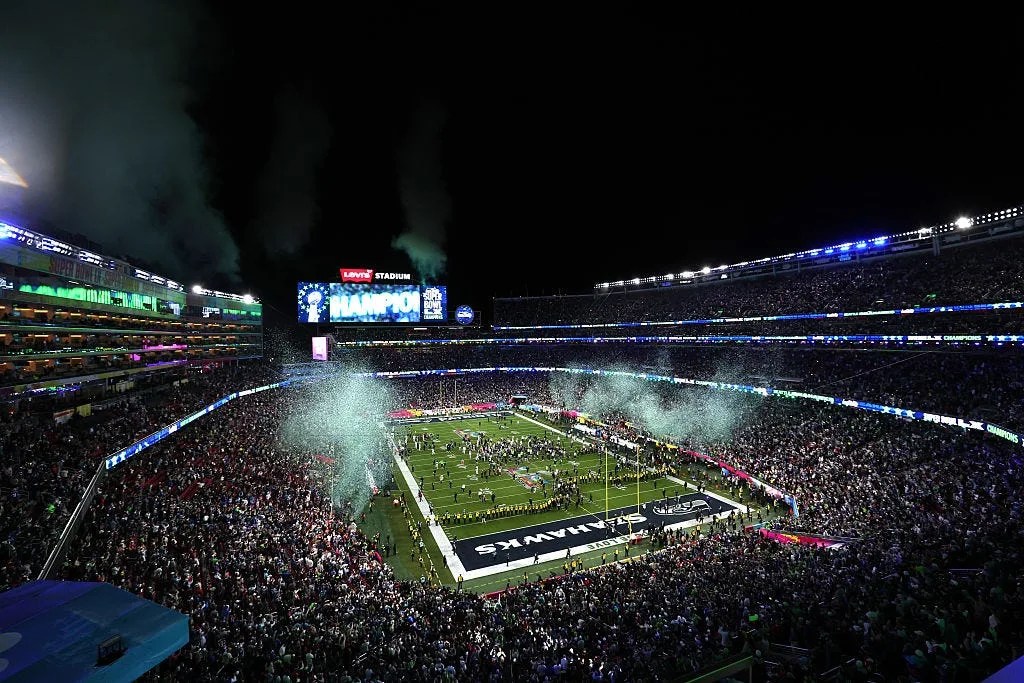
On Super Bowl night, it’s like the whole country is watching the same program together. It’s more than just a game it’s a once a year event. The stadium is packed, the fans are excited, and the cameras are set up all around the stadium ready to get a perfect action shots of the game. Fireworks, slow motion repays, celebrities in luxury boxes, fans with face paintings are just some of the exciting parts of Super Bowl. For this visual photo blog I chose the Super Bowl because it’s an event I see all over social media and one of the most photographed events of the year. In this blog , it’s not about who wins, it’s about how the images are captured. The fans screaming, touchdowns, interceptions, lights, and confetti. The Super Bowl turns a football game into a huge visual event. Photographers use visual framing to guide what viewers focus on. Capturing certain moments and emotions that tell the story of the game. The image shown above of a huge stadium and full of fans at an event, it does not show the behind the scene work of the staff, camera crews and security that makes an event possible. This blog looks at the Super Bowl though different types of images including wide stadium shots, fan reactions, player action on the field and the small details left behind after the game.
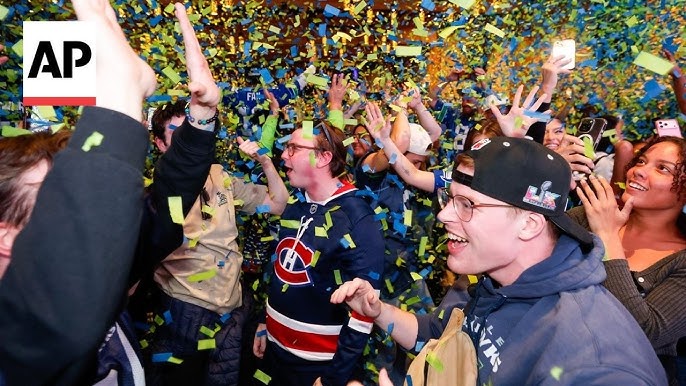

After the stadium shot, we are now where the action is. Fans in jerseys with painted faces, yelling, waving flags and signs, holding their phones up while the field is lit up with lights. These shots aren’t just showing the crowd , it’s showing you happy faces, nervous faces, excited faces and faces focusing on the game. Its making the Super Bowl feel more personal and close up. What is missing from this image is the perspective of millions of viewer watching the Super Bowl at home.
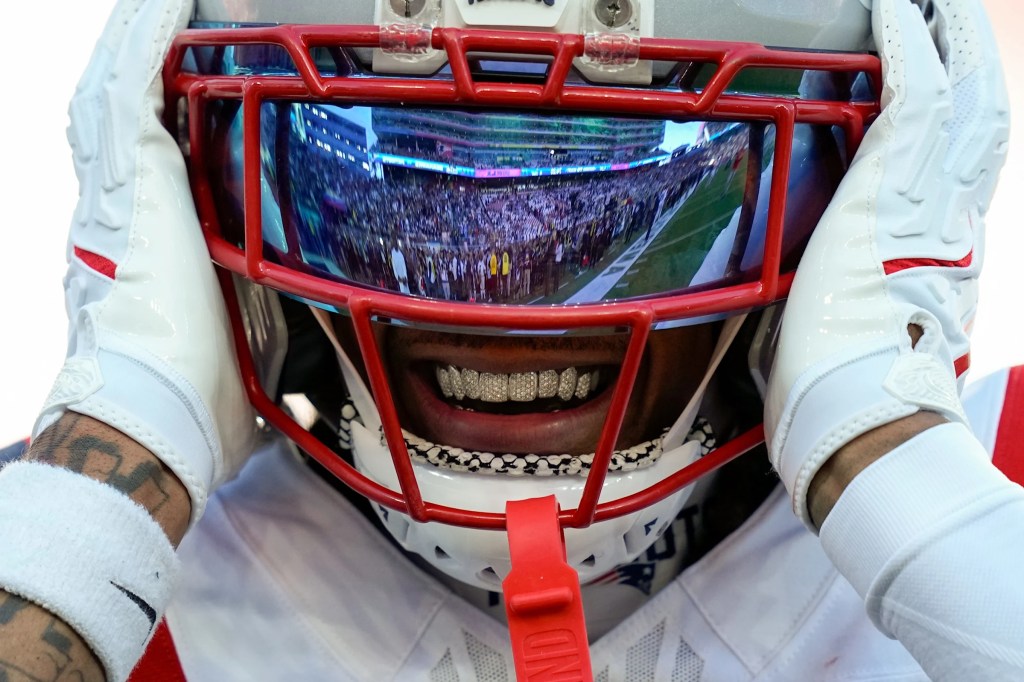
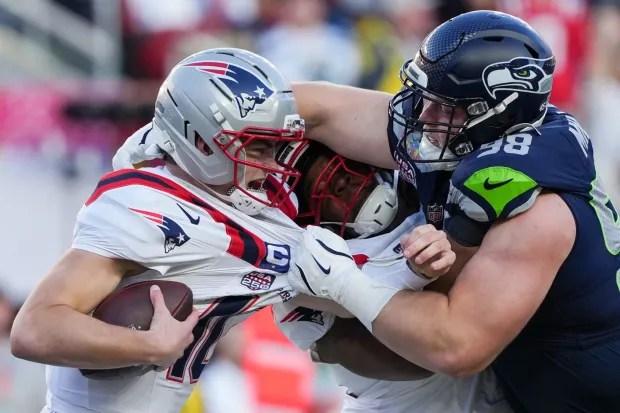
For my third and fourth pictures, I wanted to focus on portrait shots. In the first shot, you get an extremely up-close picture of the player on the field with his helmet on and his hands on the side of his head. The reflective dark visor and bright red face mask make him look like a superhero. You can feel the nerves and focus in his face. You can see his mouth guard and the reflection of the light in his visor. Maybe we can imagine what might be going on the head of the player. The second picture is an up-close impact picture during the game. You mainly see helmets, arms, and strength instead of the scoreboard or crowds. The image makes the hits feel more intense, it’s like you’re caught in the action instead of watching it from the stands.
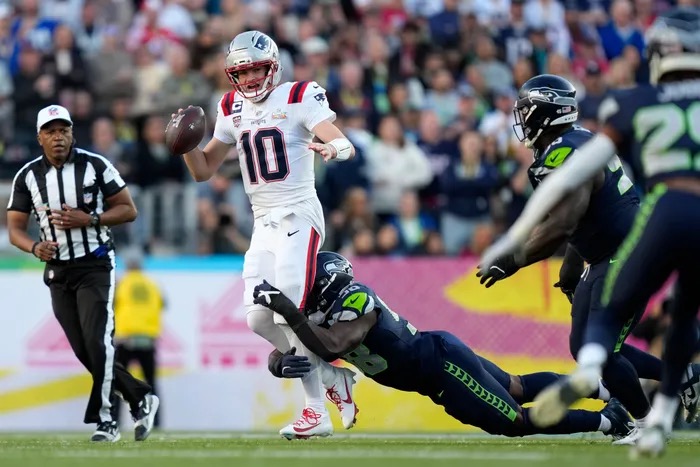
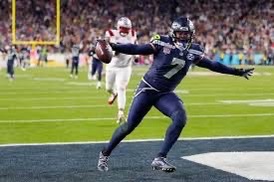
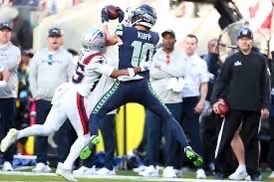
For my action shots, I wanted to capture some exciting moments. In one picture, the receiver is being pulled down to the field while coaches and teammates watch on the sidelines. In the other picture, the player is holding his arms out representing a blocked touchdown. These images freeze the fast-moving game on TV. You can see the strain in their bodies and see the highlighted moments.
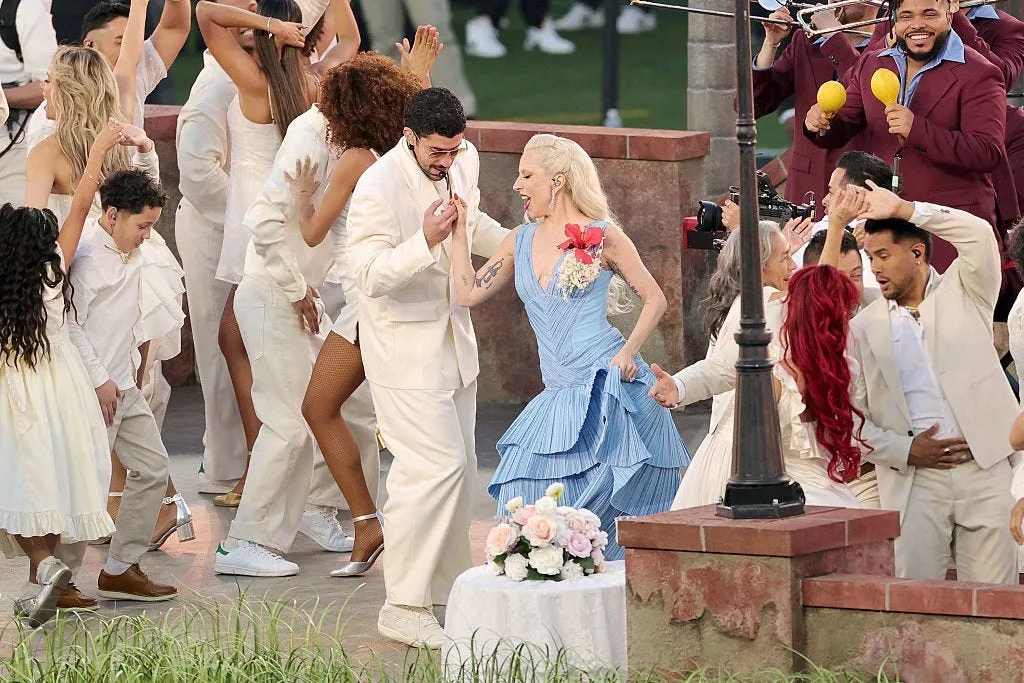
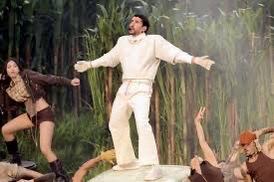
During halftime, the game turns into a concert on the field. For a few minutes the field stops being a football game. In these photos the performers are surrounded by dancers, bright lights, costumes and a stage that covers part of the field. The background is lights from phones and glowing LED bracelets. The camera doesn’t show the field or scoreboards. The cameras make the Super Bowl feel like a huge music video for TV and social media. By including these photos I’m showing that the halftime show is just as important visually as the game.
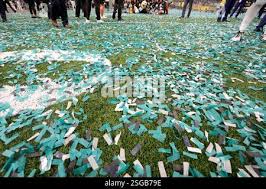

The next set images are the details in the game not noticed by people. The first picture shows the ground covered with green and silver confetti after the celebration. The next picture is a game used football on the white line. You can tell it’s been used, it’s covered in green grass and the leather is worn. Showing these images with these little details of the Super Bowl, the photos make the event feel more real. You can almost imagine you can feel the turf and the confetti. Big TV moments leave little details behind on the field, and these pictures show those. The details help tell the story of the game’s ending. It also shows the emotional reaction of the players and fans after the final whistle is blown.
Putting these photos together made me realize how many different stories can be told about one Super Bowl night. The wide shot of the stadium says it’s a giant national event. The portraits and action shots on the field make it feel more personal, and you can feel the emotions of the players. The halftime images show how easy the game can turn into a music video. The last two shots of the game, using football and confetti on the ground, show as the excitement dies down. Looking at the game this way through the images instead of the actual game can show how visual reporting can shape what we all remember and feel. This idea connects to the concept of visual literacy, which means to understand and interpret the message that images communicate to the audience.
Sources
Bamford, Anne. The Visual Literacy White Paper. https://contentauthenticity.org./
Coombs, Hayden. “Visual Framing.” https://haydencooms.com/2016/04/23/visual-framing
Careers Collectiv. “Global Trends and the Future of Photography.” https://careerscollectiv.com/global-trends-and-the-future-of-photgraphy/
Adgate, Brad. “The Future of Television is Broadcasting & Streaming: Here’s Why.” Forbes. https://forbes.com/site/bradadgate/2024/08/08/the-future-of-television-isbroadcast-streaming-heres-why
 Site Title