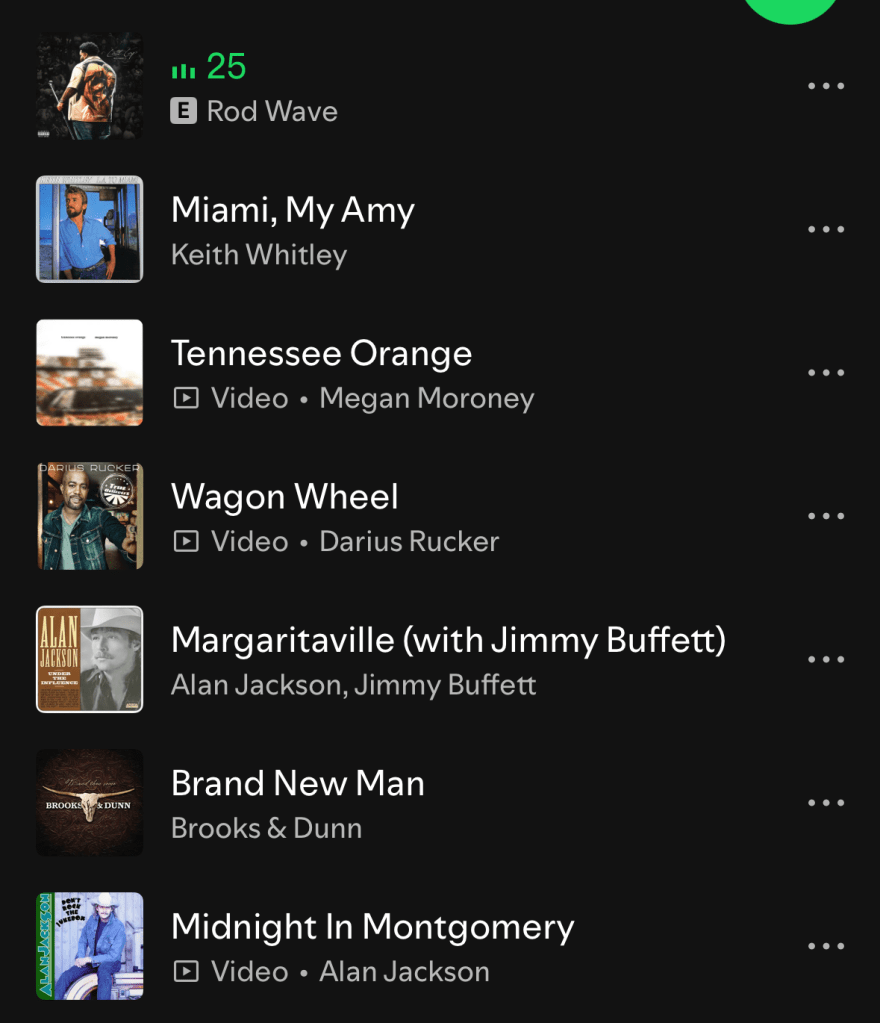
I am charged $20 a month for Spotify. I feel like that is a good deal considering I can stream music anytime I wish. Whether it’s Megan Moroney, Darius Rucker, or Brooks & Dunn, my playlist is always with me. Streaming has made music more convenient than ever before. Once I started doing some research into how the artists got paid, I realized something that surprised me. Even though millions of people pay for streaming services, most of the money does not go directly to the singers. Instead, it goes to record labels and corporations first. Streaming has completely changed the music industry. It has made music more accessible, but it also makes me wonder who benefits the most, the artists or corporations?
Tennesse Orange Megan Moroney
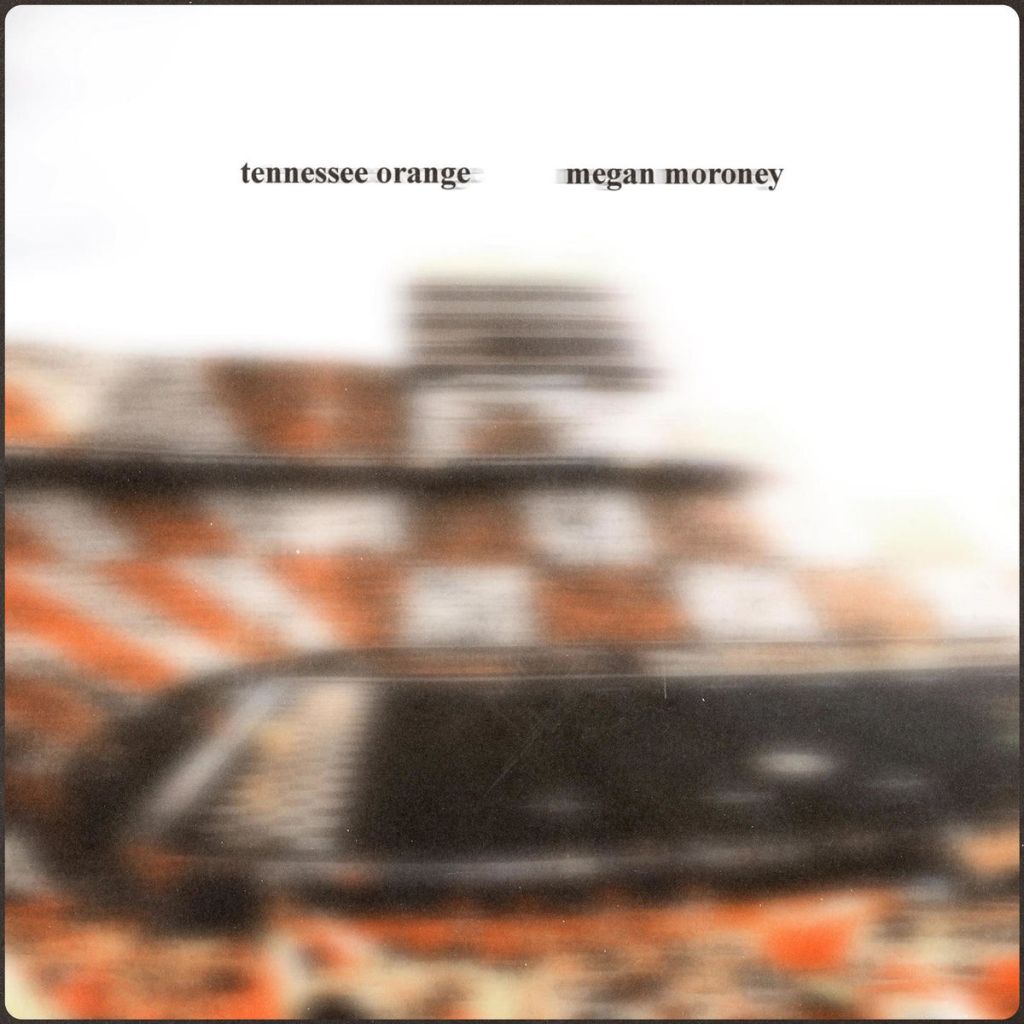
My playlist has songs like “Tennessee Orange” by Megan Moroney on it. Streaming and social media is basically the reason this song blew up, which shows how different the music industry is now compared to the past. Megan Moroney is part of Columbia Records Nashville, the music production company under Sony Music Entertainment’s ownership. Even though Megan is the voice of the song, the label distributes and profits off it. Sony is one of the three main record companies that control much of the global music industry. That means a lot of revenue from streaming comes directly to the giant corporations before the artist sees any money. If Spotify were to pay around $0.004 for each stream, the song would need to stream 250 times before it makes a dollar. Even then, that dollar doesn’t go to Moroney. Spotify keeps a percentage, and Sony takes its portion before the artist gets what’s left. Some artists earn only a part of the total revenue. That means even if “Tennessee Orange” has millions of streams, the money is split, and the artist makes less than the listener realizes. As a Spotify user paying $20 a month, it was suprised to find out that a small portion of my subscription actually goes to the artist.
Wagon Wheel – Darius Ruckers
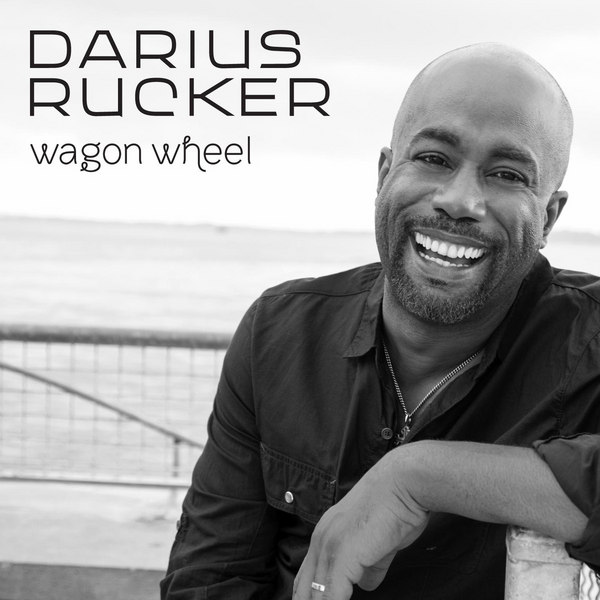
Another song on my playlist is “Wagon Wheel” by Darius Rucker. This song has been popular for years and still gets many streams every day. Darius Rucker is signed with Capital Records Nashville, which is owned by Universal Music Group. Universal is one of the “Big Three” record companies, along with Sony and Warner, they dominate the global music industry. That means two of the three songs I picked are controlled by two of the biggest corporations in the world. Even though “Wagon Wheel” has hundreds of millions of streams, the payment structure works the same way. If Spotify pays $0.004 per stream, thousands of streams are needed to make a few dollars. Spotify takes a percentage first, Universal takes a cut, and then the artist receives what is left based on their contract. For older artists like Darius, contracts may be better than for new artists. The label still controls a big portion of the revenue. It made me realize that even though streaming is affordable and convenient for me that most of the money goes to the corporation before the artist receives any profit.
Brand New Man – Brooks & Dunn
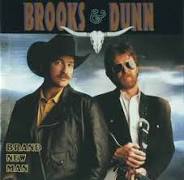
The third song I selected is ” Brand New Man” by Brooks & Dunn. This song was released in the early 1990s way before I was born and decades before streaming was a thing. Artist back then received the majority of their income from CD sales, radio plays and touring. Brooks & Dunn are signed to Arista Nashville that is owns by Sony Music Entertainment. Two songs out of three I chose are pretty much connected to Sony. Although “Brand New Man” was from the CD era it makes money today through streaming services like Spotify. The payout plan a stream is 0.004 on average. Spotify gets their percentage, Sony takes theirs big amount and the artist that once made money on CD sales receives the remainder amount. Artist get significantly less money from streaming companies than decades ago when they sold albums. It shows how the industry had fans buying full albums of songs that now rent millions for a monthly fee. Crazy how thing have changed!
Honestly, I never really thought about where my streaming money went before this blog research. Spotify seemed to me like another streaming company, like Netflix. It felt like a good deal $20 a month for unlimited music.
Then, I did the research about labels and ownership of the songs. The companies like Sony and Universal take a big chunk of the profit before the artists even see a penny. Streaming has absolutely made music easier to access; that is what I like. The new artists blow up quicker, and the songs replay whenever I want, but it’s also weird that thousands of streams might only equal a few dollars for the person who creates them. That’s what made me think about how much different it was when artists sold full albums instead of renting access to millions of songs. I still love streaming, but now I know the trade-offs that come with convenience. There have been massive changes to the music industry that are good for listeners and not so good for the artists.
 Site Title